Choosing Functional Furniture for Limited Spaces
Maximizing small interior spaces can be a challenge, but with the right approach to selecting functional furniture, it is possible to create a stylish and practical environment. This article explores strategies for choosing furniture that not only fits your limited space but also enhances its usability.
Understanding the Importance of Functional Furniture
In small living spaces, choosing functional furniture is critical because it can significantly enhance both the aesthetic appeal and usability of the area. Research indicates that well-designed furniture can improve the flow and functionality of a room, making it feel more spacious. Experts in interior design often recommend furniture that serves multiple purposes to optimize limited space.

"Functional furniture not only saves space but also adds to the overall design and comfort of your home," says Jane Doe, a certified interior designer.
Key Considerations When Selecting Furniture
When choosing furniture for limited spaces, consider the following factors:
- Size: Measure the space before purchasing any furniture. Furniture that is too large can overwhelm a room, while pieces that are too small may not provide the necessary functionality.
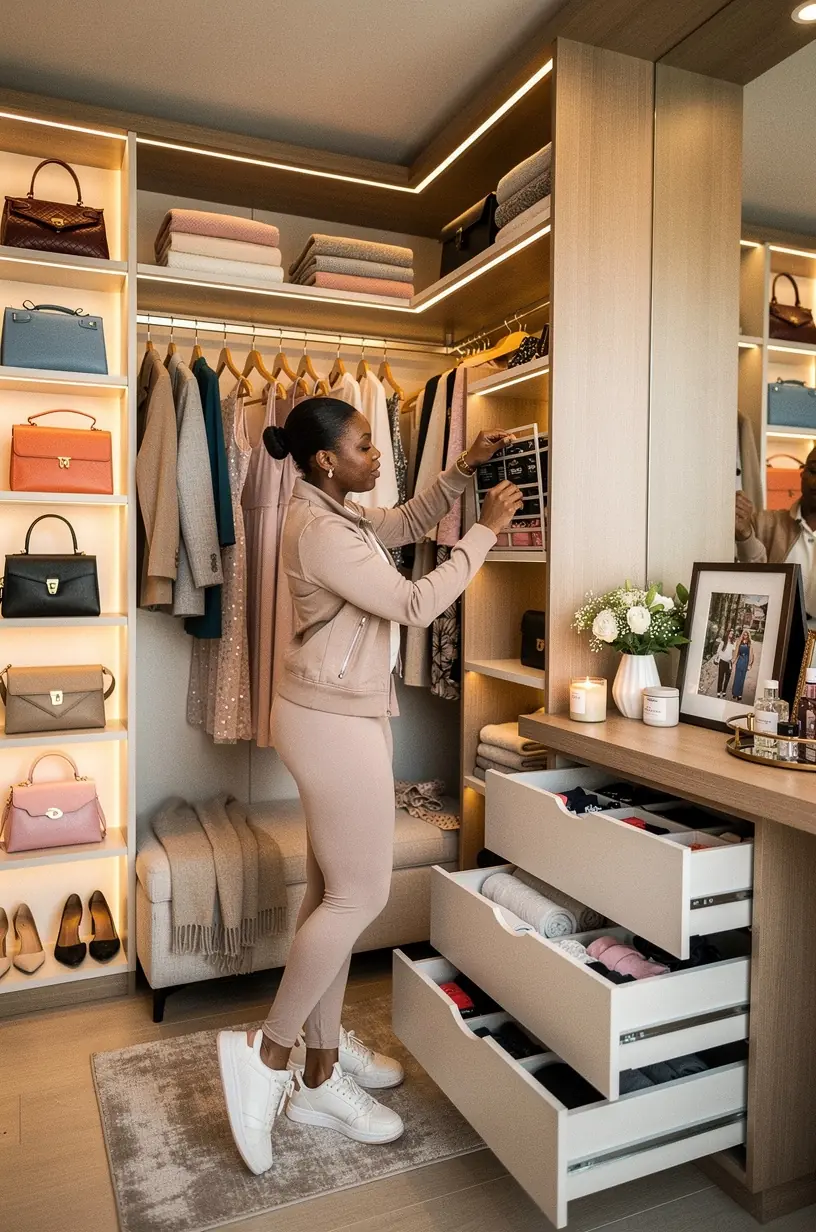
- Multipurpose Furniture: Look for items that can serve more than one function, such as a sofa bed or an ottoman that doubles as storage. Studies show that employing multipurpose furniture can help maximize space efficiency by up to 30% in small areas.
- Vertical Space Utilization: Think about how you can make use of vertical space. Tall bookshelves and wall-mounted desks can provide necessary storage without occupying valuable floor space.
Practical Tips for Implementation
Implementing functional furniture in your home typically involves a few strategic steps:
- Assess Your Needs: Identify what activities take place in the space and what furniture is truly necessary. This helps in narrowing down choices to what will be most beneficial.
- Create a Layout: Before purchasing furniture, sketch a layout of the room to visualize how different pieces will fit. This often involves experimenting with different arrangements to find the most efficient setup.
- Invest in Quality: While budget constraints are common, investing in quality pieces that are durable and versatile can be more cost-effective in the long run, as they will likely last longer and offer greater functionality.
Conclusion
Choosing functional furniture for limited spaces requires thoughtful consideration and a strategic approach. By evaluating your specific needs, prioritizing multipurpose items, and making use of vertical space, you can create a comfortable and efficient living area. While achieving optimal space utilization may take some time and effort, the benefits of a well-organized space can greatly enhance your daily life.