Understanding the Impact of Lighting on Design
Lighting plays a crucial role in interior design, influencing not just aesthetics but also mood and functionality. This article explores how proper lighting can transform spaces through small upgrades, without the need for a full renovation.
Understanding the Basics of Lighting
According to industry experts, lighting can significantly affect how a room is perceived. The right lighting can enhance visual appeal, improve functionality, and even affect mood. Studies show that well-lit environments can help reduce stress and increase productivity, making lighting choices an essential element in interior design.
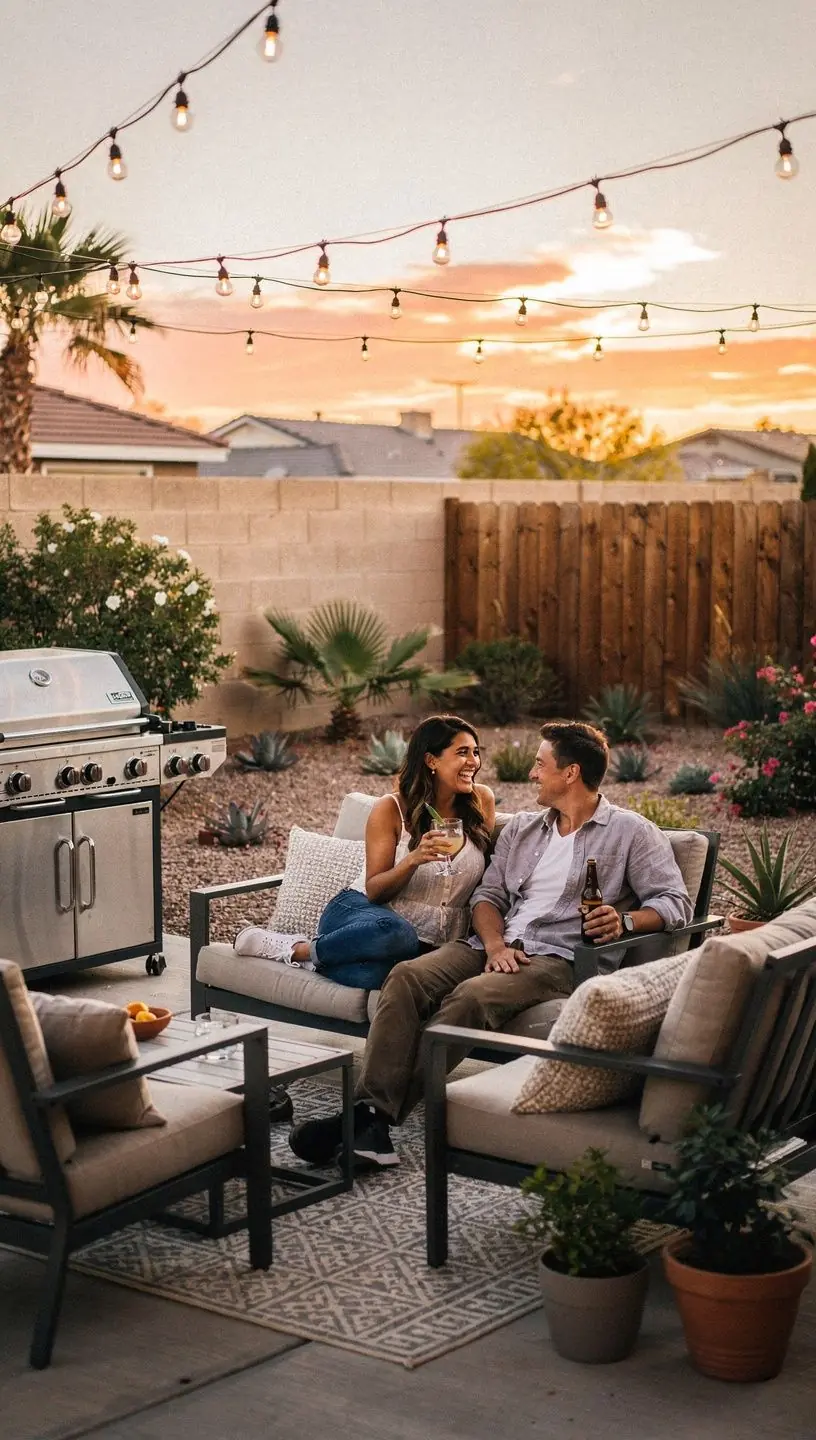
"Lighting is not just about illumination; it's about creating an atmosphere," says interior design expert Jane Doe.
The Different Types of Lighting
There are three main types of lighting to consider when planning your space:
- Ambient Lighting: This is the primary source of light in a room. It typically provides overall illumination and is often achieved through ceiling fixtures or lamps.
- Task Lighting: Focused lighting that helps with specific activities, such as reading or cooking. Experts recommend using adjustable fixtures to direct light where it is needed most.
- Accent Lighting: Used to highlight specific features, such as artwork or architectural details. This type enhances the aesthetic aspects of the space.
Practical Applications of Lighting in Design
Implementing effective lighting strategies requires understanding how each type can work together. Here are some practical tips:
- Use a mix of ambient, task, and accent lighting to create a balanced atmosphere. Many users report that this layered approach offers flexibility and visual depth.
- Consider the color temperature of your light bulbs. Research indicates that warmer tones (2700K-3000K) are generally more inviting, while cooler tones (4000K-5000K) can enhance focus, making them more suitable for workspaces.
- Install dimmers to adjust brightness levels according to different activities or times of day. This simple upgrade typically takes only a few hours and can drastically change the room's vibe.
Acknowledging Limitations
It’s important to recognize that lighting adjustments may not be suitable for every space or situation. For instance, rooms lacking natural light may require more powerful sources to achieve the desired effect. Additionally, it can take time to find the right combination of fixtures, as the process often involves trial and error.
Conclusion
In summary, lighting is a fundamental aspect of interior design that can considerably impact the functionality and feel of a space. By understanding the different types of lighting and how to implement them effectively, small upgrades can lead to significant improvements in your home's environment. Whether you're looking to enhance your living room or create a more productive workspace, the right lighting can make all the difference in achieving your design goals.