
How to Create a Cohesive Design in Small Areas
In the realm of interior design, creating a cohesive look in small spaces can be particularly challenging yet rewarding. While many homeowners may feel overwhelmed by the idea of redesigning their limited square footage, effective strategies can yield impressive results. This article explores practical insights and approaches to help you achieve a unified aesthetic in your small areas.
Understanding the Basics of Cohesive Design
Creating a cohesive design involves ensuring that all elements within a space work together harmoniously. According to experts in the field, a consistent color palette and a unified theme are foundational principles. Research indicates that spaces with a cohesive design can feel larger and more inviting, often improving functionality and comfort.
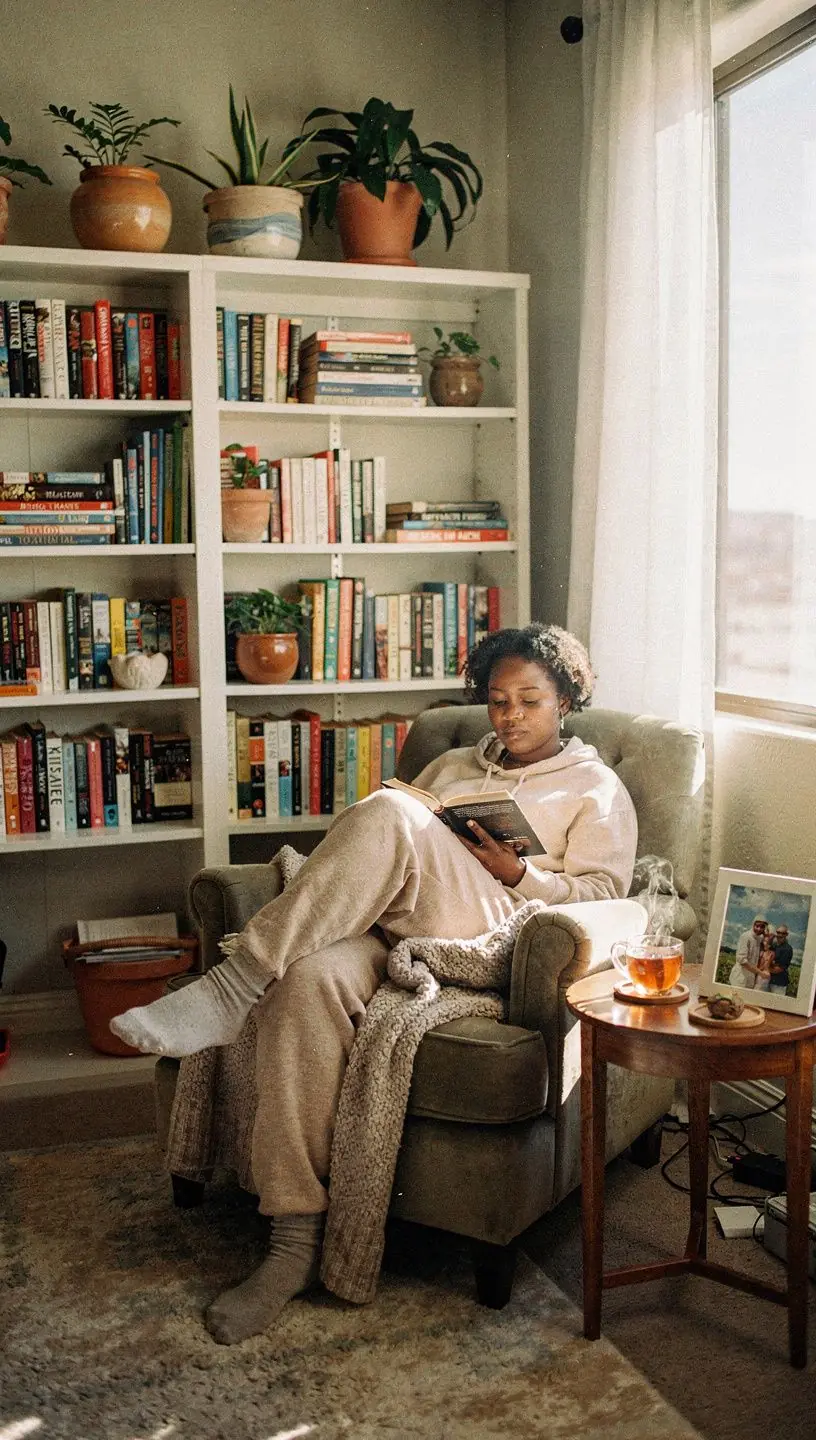
"A well-designed small area can optimize both aesthetics and function, making it feel more spacious and appealing." - Interior Design Expert
Selecting a Color Palette
One effective way to promote cohesion in small areas is through a carefully selected color palette. Typically, using a limited color scheme allows for a seamless transition between different areas, making the space feel more integrated. Experts recommend:
- Choosing a base color: This sets the tone for the room and should be used on larger surfaces, such as walls or larger furniture pieces.
- Incorporating accent colors: These can be introduced through smaller decor items, such as cushions or artwork, maintaining a balance without overwhelming the space.
- Utilizing shades and tints: Variations of your chosen color can add depth and interest while maintaining overall coherence.
Furnishing for Functionality and Style
When working with small areas, selecting the right furniture is critical. Industry standards suggest opting for multi-functional furniture that serves dual purposes, such as a sofa bed or storage ottoman. This approach not only maximizes space but also contributes to a cohesive design by minimizing visual clutter.
Furthermore, scale and proportion should guide your furniture choices. Research shows that appropriately scaled furniture can enhance the flow of a room, making it feel larger and more inviting. Aim to select pieces that fit comfortably within the dimensions of your space, avoiding oversized items.
Creating Focal Points
Another strategy for achieving a cohesive design in small areas is to create focal points. This could be a statement piece of furniture, an eye-catching artwork, or a unique lighting fixture. Many users report that having a well-defined focal point helps to draw the eye, creating a sense of structure within the room.
Experts recommend:
- Positioning the focal point: Ensure that it directs the viewer's attention effectively, often achieved by placing it at eye level.
- Limiting distractions: Keep surrounding decor minimal to enhance the impact of your focal point without making the space feel cluttered.
Conclusion
In conclusion, creating a cohesive design in small areas is a highly achievable goal with the right strategies in place. By carefully selecting a color palette, choosing functional furniture, and establishing focal points, you can transform your space into a harmonious environment that reflects your personal style. While this process typically requires thoughtful planning and execution, the results can significantly enhance the utility and aesthetics of your small area.
Learn More