The Role of Color Psychology in Interior Design
Color psychology plays a significant role in interior design, influencing mood and behavior. Understanding how colors affect our emotions can help create spaces that are not only aesthetically pleasing but also functional and comforting.
Understanding the Basics
According to research, the colors used in our environment can evoke specific emotional responses. For example, blue is often associated with calmness and serenity, while red can stimulate energy and passion. This is known as color psychology, a field that explores how colors impact human behavior and decision-making.
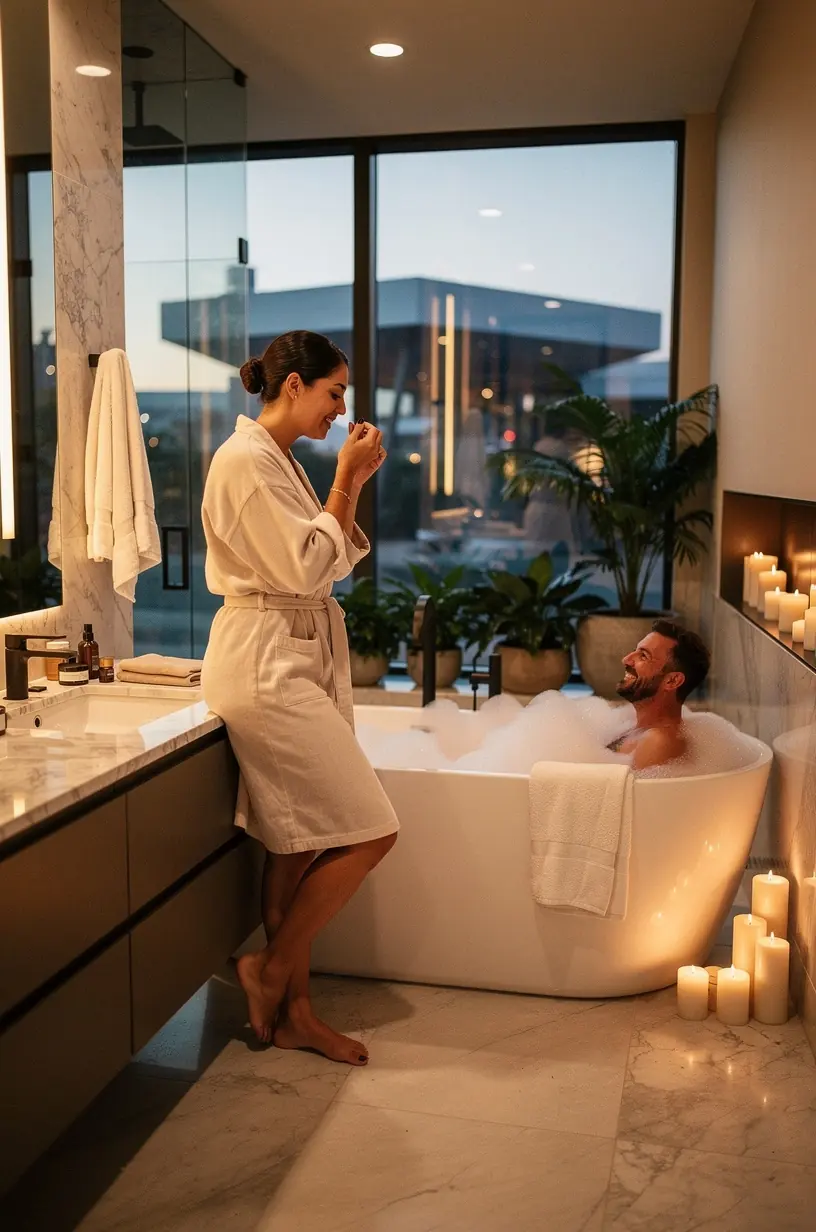
Experts recommend considering the psychological effects of color when designing interior spaces, as this can enhance the functionality and atmosphere of a room. Understanding the principles behind color psychology can be particularly useful for micro-renovation agencies focused on small interior upgrades without full renovation.
"The colors in a room can significantly influence how we feel and behave within that space." - Interior Design Expert
Practical Application
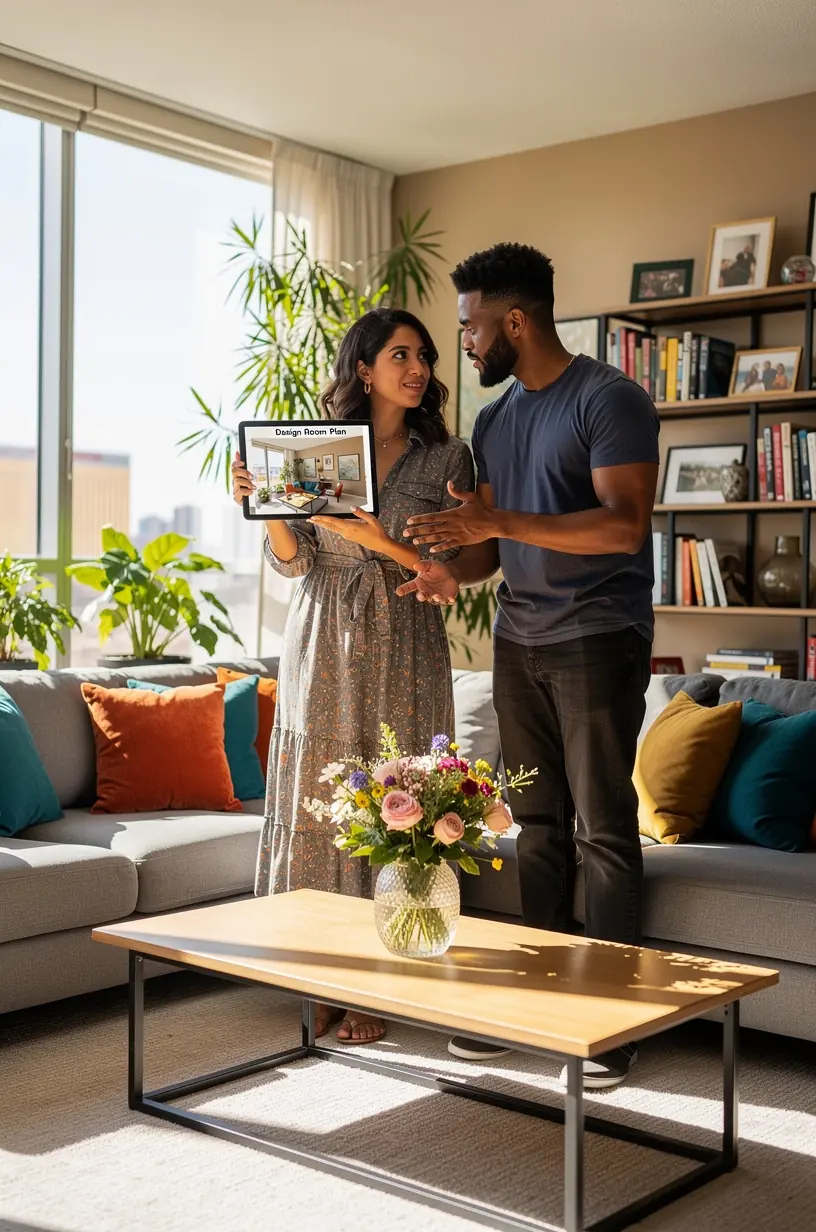
- Choose colors based on function: For example, soft greens and blues are suitable for bedrooms to promote relaxation, while warm yellows and oranges can enhance creativity in home offices. Research indicates that environments designed with purpose-driven colors can improve focus and productivity.
- Consider natural light: The amount of natural light a room receives can alter how a color appears. In most cases, a color that looks great in a brightly lit room may not have the same effect in a dimly lit space. Therefore, it's essential to test paint samples in different lighting conditions before making a final decision.
- Incorporate accent colors: Using bold accent colors can provide a striking contrast that captures attention and enhances the overall aesthetic without overwhelming the space. This approach is especially effective in small upgrades, where a pop of color can transform the mood of a room.
Limitations and Considerations
While color can significantly impact interior design, it is essential to acknowledge that the effectiveness of color choices may vary based on personal preferences and cultural influences. For instance, while many users report feeling calm in blue spaces, some may find it cold or uninviting. Therefore, it is crucial to involve clients in the decision-making process to ensure their emotional responses align with the design intent.
Moreover, achieving the desired effect typically requires a thoughtful approach, which may take time. An interior designer or micro-renovation agency may need to spend several weeks selecting and testing colors to find the right fit for a specific environment.
Conclusion
In summary, color psychology is a powerful tool in interior design that, when used effectively, can significantly enhance the ambiance and functionality of a space. By understanding the emotional impact of colors and applying this knowledge thoughtfully, micro-renovation agencies can create interior upgrades that not only look good but also promote well-being and productivity. Always remember to consider individual preferences and cultural contexts when implementing color strategies to ensure the best results.
Learn More