Practical Guide to Space Optimization Techniques
In today's fast-paced world, making the most out of limited interior spaces is becoming increasingly important. This guide will explore effective space optimization techniques that can help you maximize functionality in your home or office without the need for extensive renovations.
Understanding Space Optimization
Space optimization refers to the methods and strategies used to arrange your living or working environment in a way that enhances its utility and aesthetic appeal. According to industry experts, effective space management can lead to improved productivity and comfort. Research indicates that well-optimized spaces can improve well-being and efficiency by up to 20-30%.

"A well-organized space is not just visually appealing but also promotes better functionality and productivity." — Interior Design Expert
Key Techniques for Space Optimization
Implementing effective space optimization techniques typically involves thoughtful planning and creativity. Here are some proven approaches that you can consider:
- Multi-functional Furniture: Furniture pieces that serve multiple purposes, such as a sofa bed or a storage ottoman, can significantly reduce clutter and save space.
- Vertical Storage Solutions: Utilizing wall space with shelves, hooks, and cabinets can free up floor space and create a more open environment. According to studies, vertical storage can increase usable space by up to 50% in small rooms.
- Decluttering and Minimalism: Regularly removing unnecessary items and embracing a minimalist approach can make your space feel larger and more organized. Experts recommend reassessing belongings every six months to maintain optimal organization.
Creating a Functional Layout
Once you understand the various techniques, the next step is to create a layout that optimizes flow and functionality. Below are steps to consider:
- Assess Your Needs: Identify the primary functions of each room. This helps in determining what furniture and equipment are necessary.
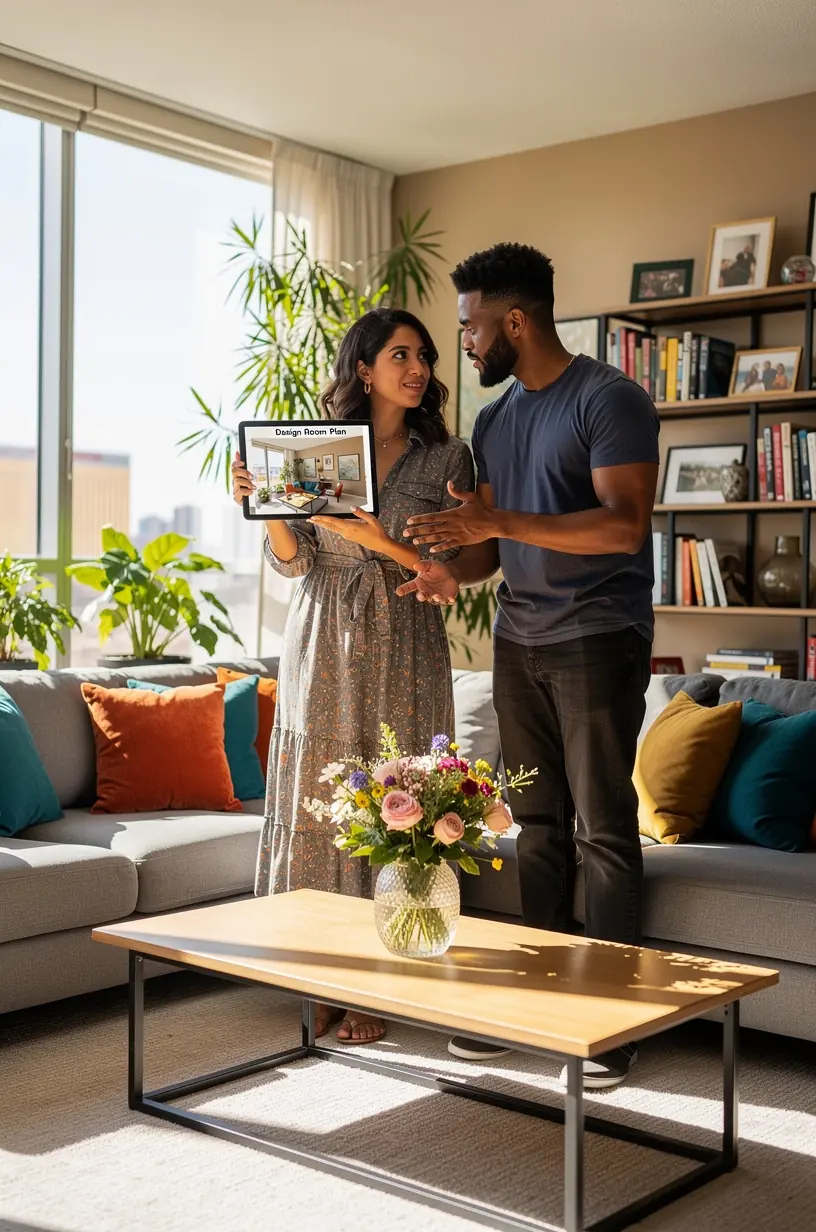
- Sketch a Floor Plan: Drawing a basic layout can help visualize how different elements will fit together. Digital tools are available for creating 2D and 3D layouts.
- Experiment with Arrangements: Don’t hesitate to try different furniture arrangements. Many users report that small adjustments can make a significant difference in how a space feels.
Challenges and Limitations
While these space optimization techniques can be effective, there are some limitations to keep in mind. For instance, achieving the desired results may require time and effort. Typically, implementing these strategies can take anywhere from a few days to several weeks, depending on the scope of changes made. Additionally, these approaches work best when there is a clear understanding of the space's intended use and the user's lifestyle.
Conclusion
Space optimization is an ongoing process that combines creativity, organization, and functionality. By understanding the principles behind effective space management and applying practical techniques, you can transform your environment into a more inviting and productive space. Remember that while these strategies can lead to significant improvements, they may require careful planning and dedication to achieve the best results.